New podcast – Derval by Gráinne Keenan

What a corker we have for you this week.

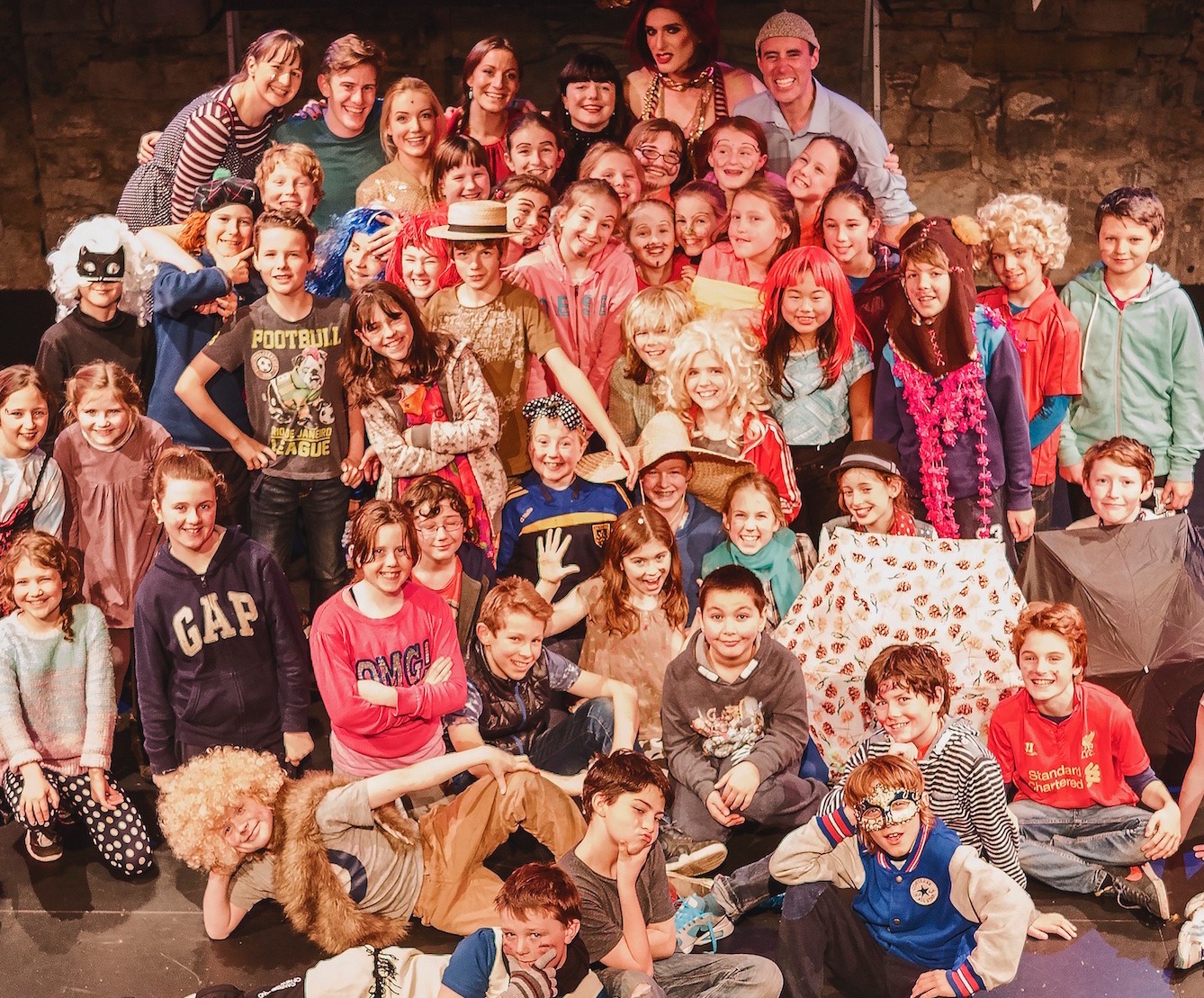
Super Paua Stories presents Derval, by Gráinne Keenan – a raucous, rambunctious and deliciously spooky story about a twelve year old girl who (against her own wishes, and best interest) happens to be an accidental agent of chaos. Haunted where-ever she goes by the apparition of a chain-smoking witch in a lilac shell-suit, and driven by a sense of compulsive divilment, Derval seems caught between the realm of suburban primary school and the land of The Sídhe, beyond the veil. Which doesn’t bode well for her social standing – especially as her classmate’s Halloween party approaches, and she has to hold it together and ‘be normal’ on the most supernatural night of the year.

For those of you outside Ireland, you could be forgiven for thinking that faeries are a force for good in the world – YOU’D BE WRONG. This thoroughly modern comedy casts the faerie folk in their traditional Irish role – the tricky, dark, frightening villains who’d ate you without salt, as soon as look at you.

Recommended for listeners 8+ and anyone who likes a good story!

S x

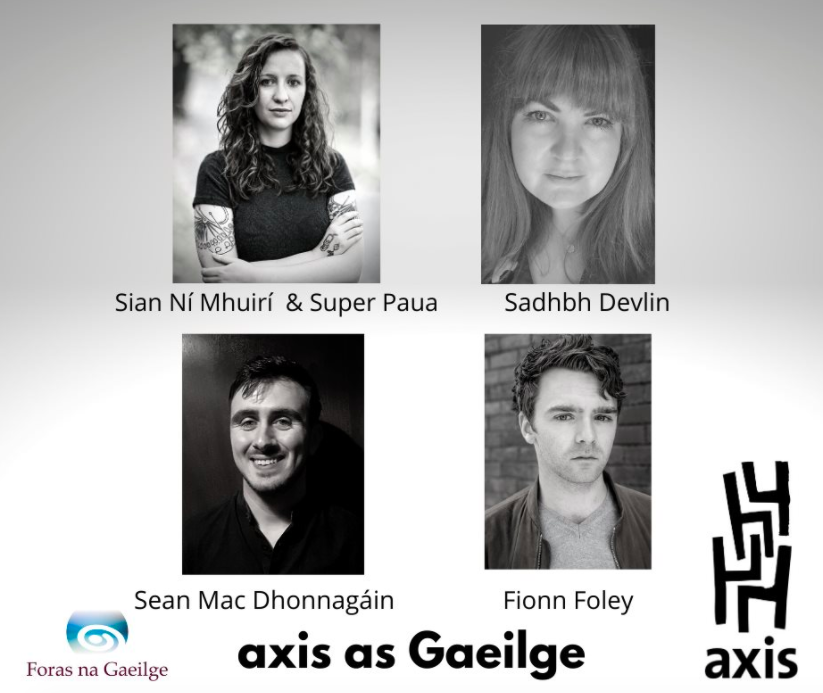
Sian Ní Mhuirí and Super Paua awarded Axis As Gaeilge Residency

Screenshot 2020-07-01 at 15.23.39

Dea-scéal ón ndianghlasáil! Good news from lock-down-land!

Beidh mise agus an fhoireann Super Paua ag déanamh cónaitheacht cruthaitheach leis an axis Ballymun – amharclann iontach, i measc na príomh-ionad i mBaile Átha Cliath! Myself and the team at Super Paua have been awarded an Irish-language residency at the axis Ballymun – one of Dublin’s premiere (and, i mo thuairim, most inclusive and lovely) venues for theatre and arts.

Ag obair idir Iúil agus Nollaig, beimid ag léiriú podcraoladh Gaelach/dátheangach darb ainm ‘Scéalta Super Paua’ (sraith 2 don Super Paua Stories), seó nua do dhaoine óga agus beidh muid ag déanamh forbairt ar Te Rōhi freisin. Is é mar sprioc don chonaitheacht ár gcuideachta a stiúradh i dtreo na Gaeilge, agus ár seirbhísí agus n-acmhainní a sholáthar trí Ghaeilge. 

Working between July and December, we will be producing a new Irish and bilingual podcast Scéalta Super Paua (the second series of Super Paua Stories), a new show for children, and we’ll be further developing Te Rōhi as well. The overall aim of the residency is to steer Super Paua in a more multi-lingual direction, and developing our ability to provide all of our services and resources through Irish.

Ag tnúth go mór leis! Looking forward to it!

S x

Sam And The Shapeshifters – by Wren Dennehy

Super Pau Stories Darker Blue Text Left (1)

Another week, another kids storytelling podcast!

This weeks Super Paua Story is Sam and The Shapeshifters, by Wren Dennehy (an incredible creative, also known by their stage-name, Avoca Reaction).

Wren’s written a beautiful story about a child called Sam, who wants to become a form-flexible shape-shifting extra-terrestrial so their ‘inside’ can match their ‘outside’.

I’d love to hear what you think of the story!

S x

Head Full Of Colour – Berni Stack

Super Pau Stories Darker Blue Text Left (1)

Hello Comrades-in-Art!

The second Super Paua Stories podcast was released today, Head Full Of Colour by Berni Stack.   This one is for a slightly younger age group than Moonstone, maybe (or maybe not – whatever you’re having yourself!) but it’s our first attempt to pop outside our comfort zone and make a storytelling experience that isn’t prose based.

Guided meditation meets chilled-out lyric poem in Head Full Of Colour – a story about colour, emotion, and spring-popping-Clicks! Have a listen here if you’re interested!

S x

Aaaaannd we’re back!

Super Pau Stories Darker Blue Text Left (1)

Friends, it’s been about 15 months since my last blog post.

Haha. Awkward for me.

I’m not even gonna mention the state of my LinkedIn.

In my defence, I’ve been rather busy. I have in that time –

It should go without saying, but unfortunately does not, that the BLACK LIVES MATTER movement has my unconditional support, and that I should have posted something on my blog about BLM before now, as the white people of the world need to start speaking out and nailing their colours to the mast if things are going to change.

This online space and the writer behind it are anti-racism, anti-fascist and pro- pro- pro- black lives, black activism and black excellence.

WELCOME TO MY NEW(ish) WEBSITE (take two)!

I’m going to try to do better than staying silent at tough times like these, just because I’m busy (and I am pretty damn busy, but you know… so was Prince) and having an existential crisis. Expect to see more posts about my activities in the last year, and my projects coming up.

Love from Dublin,

Sian x

UPCOMING EVENT – Listen at Lilliput, Thursday 28th March

54522022_10156267099202406_7305887929119801344_n

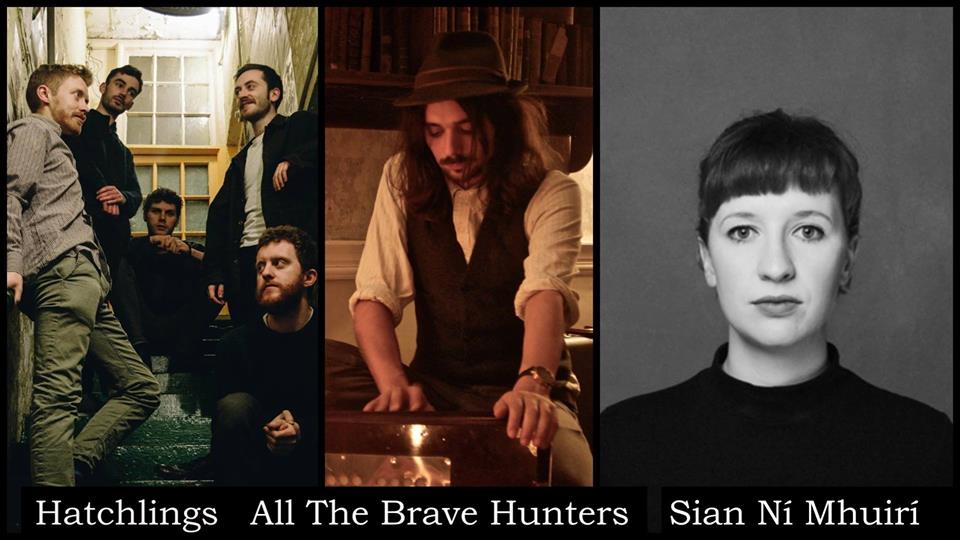
Catch me reading some new and some old material (classic material? sounds better?) at Lilliput Press on Thursday 28th March – which is next week, friends, so put in the diary pronto!

This is the March addition of their monthly fixture, called Listen at Lilliput, which happens on the last Thursday of every month. It involves two musical acts and one poet or writer, and proceeds collected at the door go to charity.

Facebook event here. Entry is free with donations accepted, and all proceeds go to Inner-City Helping Homeless.

(Pic nabbed from Lilliput Presses events page!)

S x

Happy World Day of Theatre for Children and Young People!

Oh how time flies when you’re filling out applications for funding – it’s the 20th March again, which means it is The World Day of Theatre for Children and Young People!  Many happy returns!

It’s a day that many grown-ups working outside of theatre and education don’t know about, but one that is incredibly important to the artists, makers and dreamers who make work for, and about the lives of, the smaller world citizens of amongst us.

What we do as children’s theatre makers is as much about advocacy and access as it is about art.  My job is not only to tell stories to children and play Zip-Zap-Boing with teenagers. It is my job to ensure that we – the adult over-lords and potential tyrants of a creative childhood – forever keep in mind that young people have a human right to play, art, theatre and civic involvement, as enshrined by their United Nations Convention.  And because very few young people have independent incomes, drivers licenses or influence over government funding and artistic infrastructure, it means it us up to us adults to make these creative experiences for them, and make these creative experiences accessible to them.  Once again – as with food, clothing, schooling, and affection – children and young people are left at the mercy of their (sometimes hopeless) adults to provide what it is they are owed.  Creativity, hope, empathy and conversation are their birthrights.  We would all do well to remember that, and artists must also do our part in facilitating happy, healthy and hopeful childhoods around us.

Yvette Hardie, the President of ASSITEJ (a very French acronym, basically meaning ‘The UN for Children’s Theatre’) wrote some very lovely words on the matter, which I can link you to in full here.  But to quote her…

Recently The New Victory Theater in New York released the results of a five year study into the benefits of theatre for children and young people. One of the key unexpected findings was that exposure to the theatre gave these children greater hope for the future. These results were contrasted with a control group, where those who were not exposed to theatre performances and workshops over the same period, experienced a diminishing sense of their future possibilities in terms of study and work opportunities.

Why is hope so important? Hope creates positive energy which translates into self-assurance, willpower, resilience and finally into concrete actions to make a difference in one’s own life and in the lives of others. Every child needs to have hope.

I’ll raise a sippy cup of orange squash to that!

x

Aroha Nui Christchurch x

55485908_2202737623321091_1583070154407804928_n

(This is the text of a status I posted on my personal facebook. You might have seen it there. Aroha nui – Christchurch, we are with you. x )

As some of you know, I’m a New Zealand citizen. I was raised in Dublin, but I am proud of New Zealand, and I think I understand it as much as a foreign born person can about the country. I have recently taken to writing about the similarities and differences between Ireland and New Zealand in my plays and poetry. I am also an active member of my local mosque community. Not as a practicing Muslim (still can’t shake my early-acquired atheism) but as a drama teacher to a group of the most amazing girls you could hope to meet. I co-run a weekly class with Fatima and Abiola from the Islamic Cultural Centre Ireland, and I feel very lucky to consider them my friends after only knowing them a short time.

I have spent a lot of this morning crying with my Mum, who is a proud New Zealander, one who has retained her Invercargill accent and her appreciation of a Bluff Oyster throughout thirty five years of expatriation. She misses New Zealand, her brother and his wife, her sister and her husband, and her 89 year old mother Joan, her uncle Owen, and his daughter Leanne’s family. We messaged them, and they are safe.

I also messaged the ICCI youth leaders Whatsapp to see if Fatima and Abiola had heard the news. It occurs to me how often young Muslim citizens in Ireland must be expected to discuss international atrocities which are largely disconnected to them, but which have ripple effects on their community. I wonder if they find this tiring. I wonder if I should have texted.

I think about going in to work tomorrow, to teach drama to the girls with whom I am writing a play – this year’s theme is Travel. In December, the girls were excited to meet the Amber Curreen from Te Pou theatre in New Zealand, to hear all about this interesting, far-flung country full of flightless birds, and to listen to it’s native language, Te Reo Māori. Most of the girls I teach are also bilingual, also ethnic minority, so this matters to them. We were thinking of putting New Zealand into our end of term play. Now, I think about the conversations I’m going to have to have tomorrow, when the girls (who are never shy of interrogating youth leaders) ask me with renewed and transformed interest about my mothers country, Amber’s country, and the massacre.

I am shocked and saddened today, and deeply ashamed that a place I love will be associated in the minds of the children I teach with white supremacy and Islamophobia.

I am shocked, but I am also unfortunately not as surprised as some others are that something this brutal, this out of the blue, this out of character, could happen in New Zealand. This is because – just like Ireland – New Zealand is a small country, a relatively liberal country, a democracy, but also a country that tells itself national stories again and again that may not be 100% true.

One such myth is that New Zealand – like Ireland – does not have a problem with racism and white supremacy. Are New Zealands race relations better than the United States of America? Undoubtably. Are they less structurally racist than the neighbouring Australian state? Undoubtably. Are Kiwis known for being liberally-minded, easy-going and relatively forward-thinking? Yes, and nothing I am about to say makes these facts less true.

It remains an important and co-existing reality that the virulent Islamophobia which is present throughout the world is present in New Zealand. Neither of my home countries are any less susceptible to Islamophobia, and the resultant extremists which feed off it, than New York or Paris.

It remains an important and co-existing reality that kind, friendly, liberal New Zealanders – like Irish people, the ‘Nation of Emigrants’ – find it hard to talk about their problems with race and prejudice, at all. I experienced racism vicariously during my recent trip to New Zealand, as I was working with mainly Māori communities and learning their language. This change to the perceived ‘norm’ – me, a white woman, being more interested in New Zealand’s indigenous culture and community than the colonial culture and community – was the opening up of new conversations which I hadn’t been privy to before. People said things to me that they wouldn’t previously have said. Conflict occurred sometimes, conflict was buried at other times. I discovered that, like the Irish, New Zealanders find it very hard to have an informed, qualitative discussion about colonialism, religion and race.

I am complicit in this. I was a guest in the houses of many Kiwi’s when comments were made or jokes were made which shocked or upset me – I didn’t always know what to say, so I sometimes didn’t say anything. I found it hard to talk about. I knew they were good people, I didn’t want to be a rude guest (Kiwi’s are excellent and generous hosts) so I didn’t say much.

Going forward, I hope that Kiwis and white Irish people can think about how and when ‘casual’ racism and Islamophobia contributes to extreme racism and Islamophobia. It’s an uncomfortable conversation, but we need to have it. Ireland, take heed.

Here is something else about New Zealand that I greatly admire. Kiwi’s are excellent in a crisis.

There is a reason New Zealand is an apocalypse bolt-hole for half of Silicon Valley. EVERYONE WANTS A KIWI ON THEIR TEAM IN THE EVENT OF A GLOBAL MELT-DOWN. Generally speaking, I find Kiwis to be extremely resilient, level-headed people. I have every faith that Kiwis will not bungle the care and action required in the after-math of this atrocity.

The city of Christchurch has been through very dark days. Their community spirit and perseverance is second to none. I believe that if any community can rally behind the victims of this massacre, pursue justice, and change policy to stop targeted attacks against ethnic minorities from happening again, it is the Christchurch community.

For New Zealanders, our sense of identity as the kindest small country in the world might have been shaken today. Let’s not allow it to stay shaken for long.

Reject every form of Islamophobia you see in your community (I will start with my own behaviour, and I will ruin as many dinner parties as I have to) and let the outpouring of love, support and compassion in the aftermath of this atrocity be the starting point for solidarity and further, necessary action.

x

What I’ve Gone And Read – Best of 2018

Athbhliain Faoi Mhaise Dhaoibh, agus Ngā Mihi o te Tau Hou!

Happy New Year and apologies for the almost two monthly blog silence!

(Which occurred, incidentally, just as I convinced a whole rake of new people to subscribe. Forward planning)

This was on account of a very intense period of rehearsal and development for Te Rōhi (next blog!) followed by a colourful bout of illness the week of my 29th birthday.  As the well-wishes flooded in, I was not ruminating on being a year older and a year wiser, but instead on the taste of blackcurrant dioralyte as it went down the hatch, and then as it came back up again.  If you’re the praying type, please light a candle for me, in the hope that I do not befoul a bathroom again before my 30th birthday.  I ask for so little.

It’s just been Christmas break which means it was finally socially acceptable for me to read a whole book each day and eat chocolate for breakfast and I did just that. I slowed down my compulsive reading after day four, and started watching movies (such as the astounding film The Favourite) and listening to podcasts (finally catching up on Season 4 of My Dad Wrote a Porno instantly follow this link if you haven’t heard of it before).  Overall, book-wise, I managed to work my way through eighties cult classic My Sweet Audrina (fans of My Favourite Murder podcast will understand this obscure choice), newcomer Gail Honeyman’s Eleanor Oliphant is Completely Fine, Noah Yuval Harari’s 21 Lessons For The 21st Century, Lynne Ruane’s autobiography People Like Me, Emilie Pine’s Notes to Self and Anna Burns’s Milkman.

It occurred to me that two of those books are some of the best books I’ve read this year.  So I decided to list my top five.  Bear in mind that these are not books necessarily written in 2018, simply one’s I read during the year and consider important works. A post-Christmas gift, if you’re stuck for anything to read this year, and you put any stock in my opinions (you probably shouldn’t).


Giovanni’s Room, by James Baldwin (1956)


James Baldwin is best known to me, and maybe to you, as one of the most influential African American non-fiction writers of the twentieth century.  His social commentary on the black experience in 50s and 60s America should be required reading.  He wrote fiction, too, and aside from being a ground-breaking commentator on race, he also delivered some pretty hot takes on the gay and bisexual male experience (years before the Gay Lib movement, it’s important to add).

Giovanni’s Room came to me in the library of New Zealand Pacific Studio, and was a small, elegantly dressed book published in Penguin’s Great Loves series. It is both fitting and strange that it would be in that category, though the passionate relationship at the core of the book does imprint upon you. This is, rather, one of the best books I’ve ever read about shame and – written, unbelievably, in 1956 – it is scary to think how freshly it reads. Giovanni’s Room is a book that is soaked through with a revulsion towards it’s self, a book that will have you, through the protagonist’s eyes, recoil from the grotesqueness of Parisian men as you move amongst them, seek the love of one, and fall apart with the burden of having loved him.  The story centres around the experience of David, a gay American living in Paris – as Baldwin himself was, for large periods of his life.  The writing is exceptional.  Even if only for Baldwin’s cutting, beautiful and wry style of writing, the book is a classic.

Giovanni’s Room does not teach you how to love. It advocates for loving, it calls out from a limbo of sexual desire, abortive intimacy and shame. It pleads with the reader, the male gay reader, as Jacques pleads with David –

‘”Love him. Love him and let him love you. Do you think anything else under heaven really matters? And how long, at the best, can it last, since you are both men and still have everywhere to go? Only five minutes, I assure you, only five minutes, and most of that, helas! in the dark. And if you think of them as dirty, then they will be dirty – they will be dirty because you will be giving nothing, you will be despising your flesh and his. But you can make your time together anything but dirty, you can give each other something which will make both of you better – forever – if you will not be ashamed, if you will only not play it safe.

Oomph.

The Water of The Wondrous Isles, by William Morris (1897)


That’s right, baby, the heading says 1897.  Possibly the first fantasy book ever written, and done so by the man you might remember from art history class as a pre-Raphelite and designer of nifty wallpaper.

It follows the adventures of Birdalone, a surprisingly right-on female protagonist who has the guts to say the medieval equivalent of “I kinda think you’re a creep and you’ve ‘happened’ upon me here in this valley because you’re trying to rape me – don’t think about it, bucko” to the handful of villainous knights who are, indeed, trying to rape her. She is made of tough stuff, physically capable, and she goes for what she wants.  I like Birdalone.  She’s a strong swimmer, and she gets hers.

This language in this book could be described as hard to read. It is full of thains and twixts and yonders etc. Then again, who cares.  I can imagine that you probably got as bored, Son of Thored, Son of Wored as I did during the ancestral lists in Lord of the Rings.  But LotR was hugely worth your patience, and this is the same.

The story is both quite naive and staggeringly ambitious, given the time it was written in.  The Water of the Wondrous Isles hasn’t left me since I put it down, it carved a new space in my brain that wasn’t there before. It’s a story that I didn’t know I wanted, but I liked it when it was given to me, which is my favourite type of story.  If you like fantasy, pay your respects to this book.

Notes to Self, by Emilie Pine (2018)

Notes_FINAL output 220518.indd


Emilie Pine’s book of personal essays was an unexpected sensation this year, and rightly so.  Notes to Self has a lot to say about life as a woman, as a child, as a women without children, as a tear-away and as a brain that feels trapped inside an ‘inadequate’ body or a stressful academic institution. You will cry reading it, just incase you’re considering whipping it out on your morning commute.

I like Notes to Self in the way I don’t usually like books. I don’t think it reinvented the wheel, surprised me with a radical political or artistic take, or taught me to imagine something new.  A book doesn’t have to do these things, but I do like it when books give you the feeling of gaining new ground in your interior or exterior world.  I think what I gained in Notes to Self  was a deeply personal insight into Emilie Pine’s perspective on these topics, and she has a lot to say, a lot to tell.  Taken on their own, the individual stories might not be as remarkable as they are collected together, but  cumulatively they leave you with the impression that Pine – over a lot of other pretenders to the throne – should be telling her tale to the public. The trajectory of her life, and the richness of her perspective on them, deserve a whole book, and a lauded book at that.  Notes to Self will role-model courage and self-examination for you, and it’s on these pillars that this unlikely bestseller’s reputation has been built.

Milkman, by Anna Burns (2018)
milkman_featured2-678x381


I’ve heard some people I know say that they couldn’t finish Milkman, which begs the question ‘DO YOU HATE BOOKS? IF NOT FOR THE OCCASIONAL CAT’S HEAD IN A HANDKERCHIEF, WHY DO YOU READ?’

An animal lover might struggle with Milkman, as will anyone who can’t stand the hopeless tension of dystopian novel settings, even though Milkman’s setting is not fictional but very real (and an ongoing reality in many civil war states). I would suggest pushing through squeamishness and hesitancy.  Milkman has a lot to say that you need to hear.  I’d go as far as remarking that if you live in Ireland or Britain, you have no excuse not to read this book to completion. Hate to be that person, but particularly if you are English. I want to hand a copy of Milkman to every ‘Which half of Ireland are you from?‘ and ‘So what’s it all about, then?‘ I encountered when I lived in London.

And if you don’t live in Ireland or Britain, then just read it anyway because it’s glorious.

Any Sian-accolades are insignificant next to the Man Booker. But in one summation, Milkman is the best book I’ve read on the monstrous mental and social warping of the human being that occurs when living under authoritarian state / dissident control.

The Story of My Teeth, by Valeria Luiselli (2013)
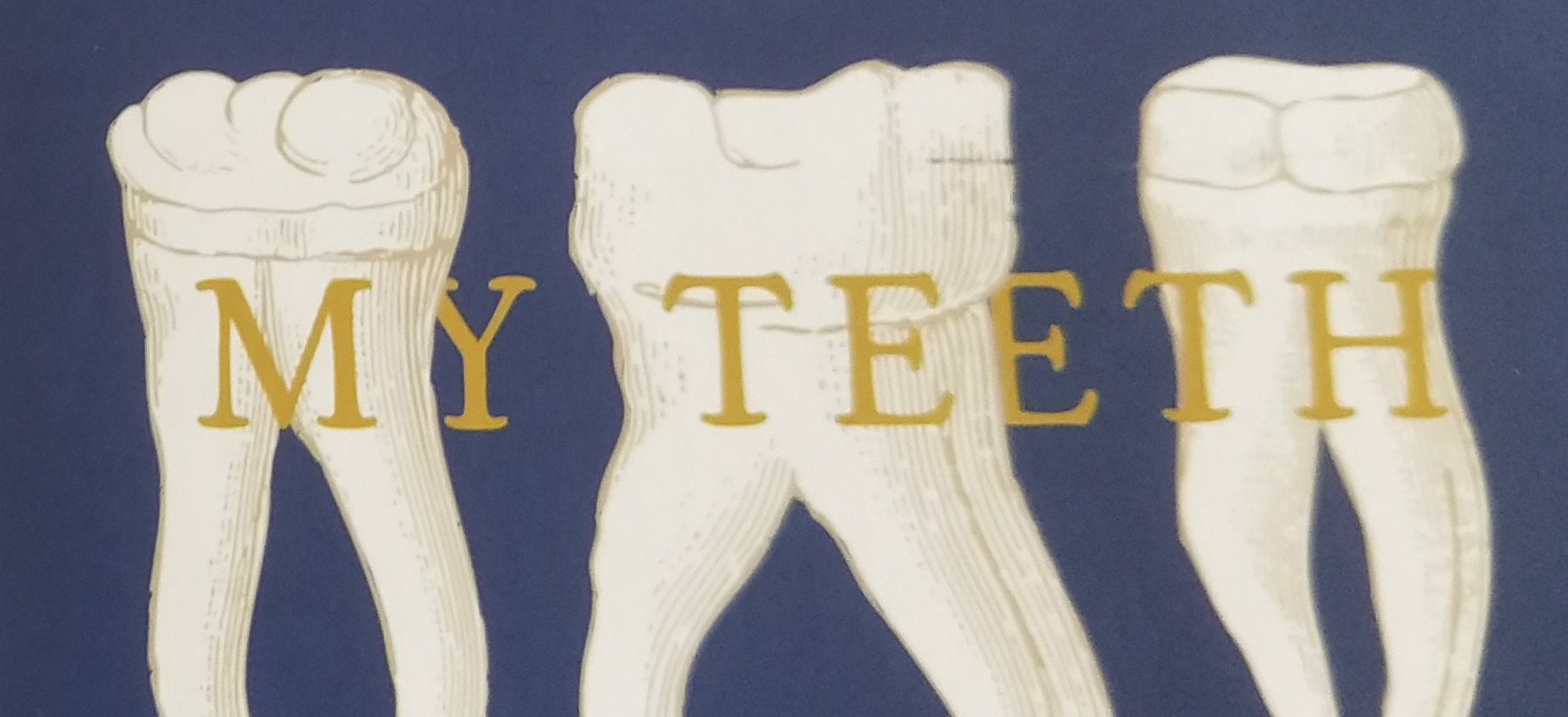
 

I’ve blogged about this already.  When I read The Story of My Teeth (or, more honestly, when I read the first three pages) it immediately shot up into my top ten list of favourite books. In general, and not just for this year.

The Story of My Teeth is bonkers, so there is no point trying to describe its plot, simply it’s appeal.  It is a true work of art insofar as it has no precedent and no equivalent.  To write a book like this is to filter the human condition through the ephemeral squish of one particular consciousness (Luiselli’s) and to forge the brain-filtered-human-syrup on the anvil of a very unique context, a moment in time and space not likely to be used as an anvil again (in other words, a Mexican juice factory with an art collection). That’s how you get magic, madness and the perfect book.

The Story of my Teeth is smart without being patronising, surreal and strange, brutally funny, and the main character is a despicable man.  It is my favourite book of 2018 and (I’m sorry for what’s about to happen) it gets the Sian Booker.

Security is about to escort me off the premises of my own blog.

Until next time.

S x
The Polyglot Project 2 / An Tionscadal Ilbhéarlach 2 – The Book That Every Home Needs / An Leabhar Ag Teastáil Uainn Uile / Mā Mātou Tēnei Pukapuka

Why does English have to be the mediator?
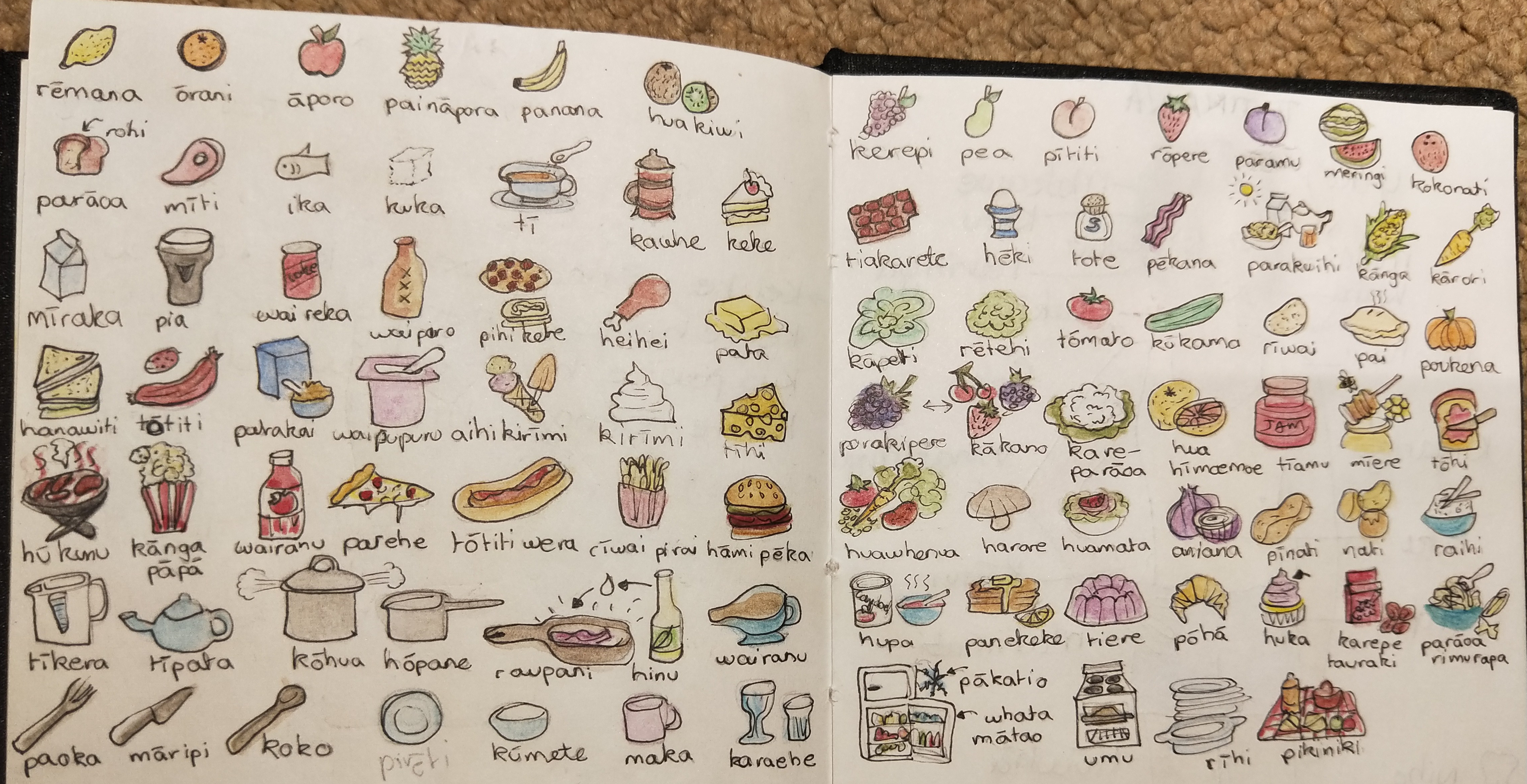
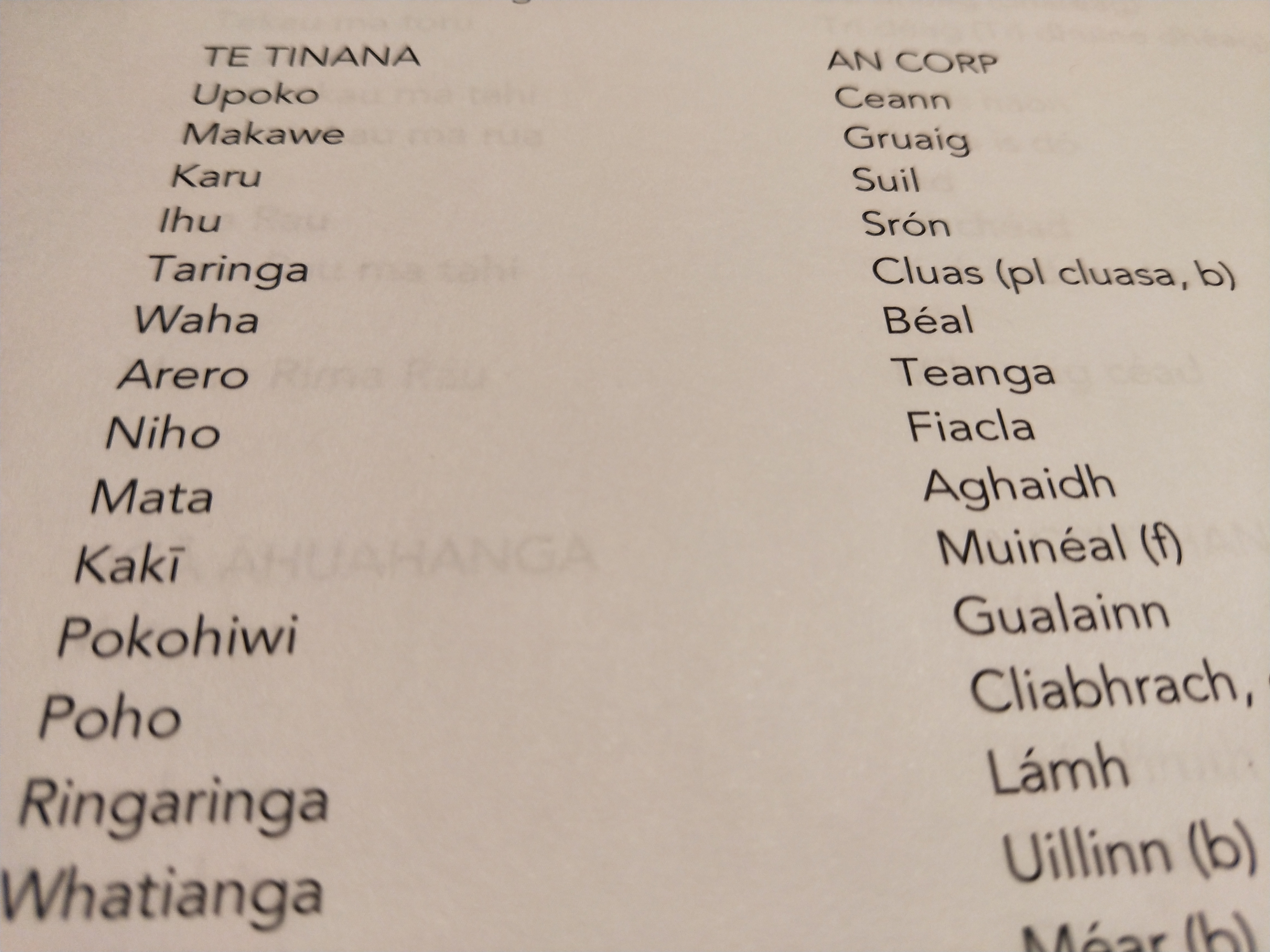
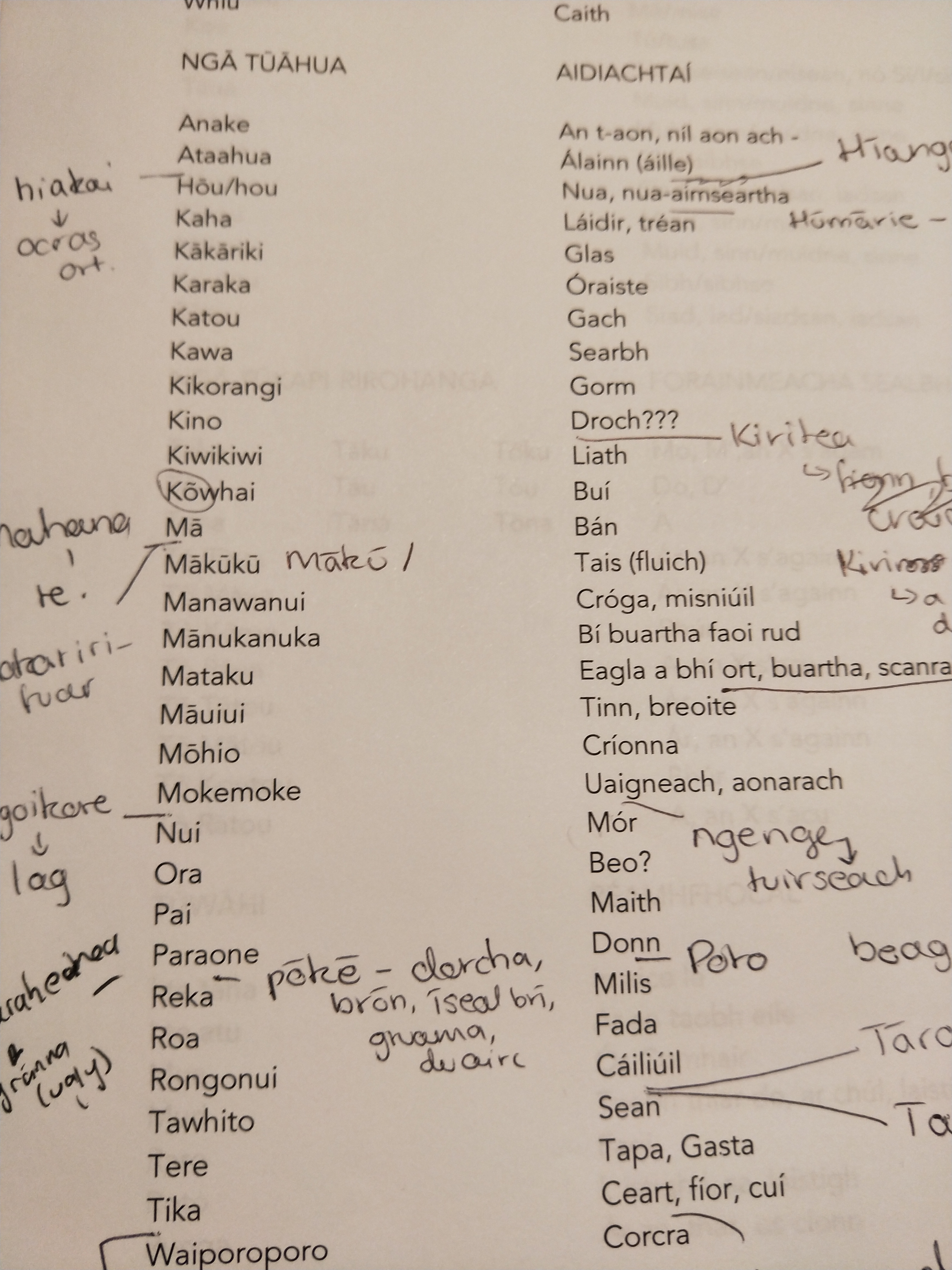
Learning Te Reo Māori (which I can’t be claiming to do of late, given I’ve spent the summer cramming French and polishing my Gramadach) was initially a process of transcribing words into my little book in Reo Māori and Reo Pākeha, like so…

You may notice I am a note taker.  It’s part of what helps me absorb the huge volume of words I’m attempting to learn. Pictures and whimsy pass the time…

Sometimes it boarders on the truly childish (as above), or the ‘Don’t you have something better to be doing?‘ (as below) ….

IMG20181108041342

FYI, I was living for 6 months in Eketāhuna, and off the drink for the first time in 10 years – I didn’t have anything better to do. Also, you may never have considered how strange it is to learn the seasons and months in Southern Hemisphere language, if you’re a Northern Hemisphere person.

(You’d almost be a fool not to drawn little seasonal reminders and festive prompts in your notebook!)

(Anyone?)

Anyway, the whole point of my fantastic trip to New Zealand, and my RAK Mason Fellowship at New Zealand Pacific Studio, was to create written work exploring identity, language and the meaning of home for a dual-heritage person, within post-colonial countries (it was more pithy than that in the application).  So what does it say that I can’t think creatively in any language other than English?

So it seemed to me that the next logical step was to write my own dictionary.

A Reo Māori – Gaeilge Papakupu, or Gaeilge – Reo Māori Foclóir.

IMG20181108042009

Yes, you heard that correctly, ha ha ha ha ha! I didn’t decide to spend my six months away from the distractions of Dublin life finishing a best-selling crime novel, or creating a pitch for a TV series, or penning a fine collection of poetry, a commercially viable children’s play – hell, even a commercially UN-viable children’s play.

Don’t be getting notions.

I decided, instead, to make a dictionary for myself in two minority languages that both have less than one million speakers, who live in the farthest possible places from each other on planet, and with almost no dual-speakers or mutual connection other than me and this woman from Louth (fair play to her).

When he heard about my dictionary, my esteemed colleague Tainui Tukiwaho exclaimed  ‘Ah! The book that every home’s been waiting for!

Oh, how we laughed, as I sailed towards the age of thirty, and sensible life choices just floated on by, unseized …

IMG20181108042211

It turned out to be, nevertheless, bleedin’ GREAT.

One thing it taught me is how expansive Irish vocabulary is (more words for more things than an English speaker knows what to do with!) and also how mercurial and alchemic Te Reo Māori is.  It has to be the most human language I’ve ever learnt – a small amount of words buttressed with a huge amount of grammatical signifiers, hard to understand without context, without eye contact, without an understanding of the culture from which it has sprung, without understanding of the speaker.

It also taught me how restricted your vocabulary can be as an adult learner of a language.  I listen to Raidió na Gaeltachta nearly ever day – but do I know the Irish word for jellyfish?

(I do now, by the way, I learnt it last week – it means ‘seals snot’ in Irish)

I know the vocab for elections, referenda, abortion rights, funeral notices, international negotiations on Brexit – or Breatimeacht – but I don’t know the words for the zoo animals, because there’s a lot you miss out on when a language isn’t drip fed to you through a lifetime of play and story.

Not to worry. I’m getting there.

One unexpected aspect of it all, though, is that my dictionary could end up coming to some small use, after all.

Just before leaving New Zealand, the amazing writer and inaugural Poet Laureate Michelle Leggot gave me this wee gift…

IMG20181108050655

It’s called a Tapa Notebook, and it’s an invitation to participate in a poetry project. You can check out the previous ones here, at the New Zealand Electronic Poetry Centre.

Once filled out, it will live as part of the Special Collections at the University of Auckland Library. And I think I know some of what’s going in it.

S x